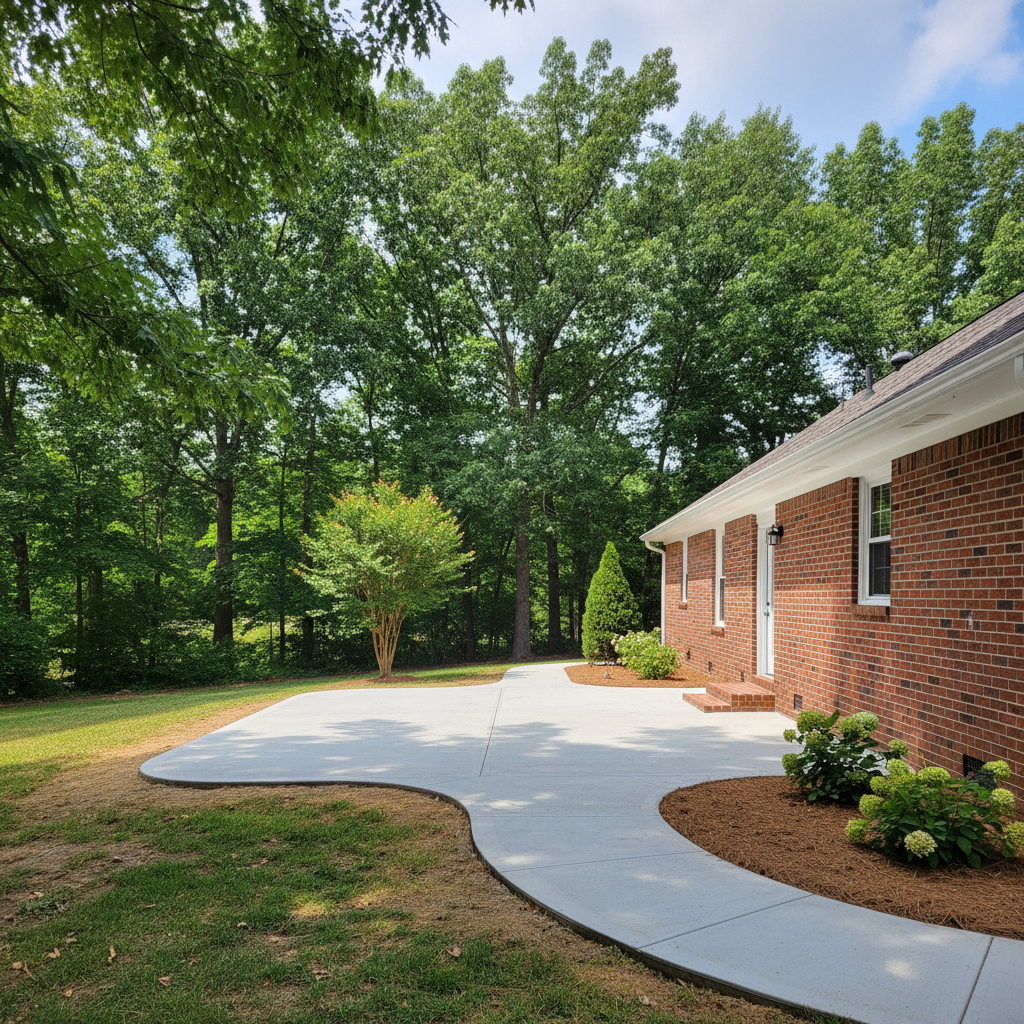
Thinking about a new patio, driveway, or walkway around your Olive Branch home? That's great! But before you jump in, let's talk about something really important for concrete work around here: timing. It's not just about when you're free; it's about when the weather's right. Getting it wrong can lead to a lot of headaches down the road, and nobody wants that, do they?
When's the Best Time to Pour Concrete in Olive Branch?
Honestly, the sweet spot for pouring concrete in Olive Branch is usually spring or fall. Why? Because you need consistent, moderate temperatures. Concrete cures best when it's not too hot and not too cold. Here in North Mississippi, our summers can get brutally hot, and our winters can dip below freezing pretty quick.
In the spring, say from March through May, you generally get those ideal temperatures – usually between 50 and 80 degrees Fahrenheit. The ground isn't frozen, and you're not battling the intense summer sun. Same goes for the fall, typically September through November. The ground's had all summer to warm up, and the air is cooling down nicely. This allows the concrete to cure slowly and evenly, which means a stronger, more durable slab for you.
What Weather Conditions Really Matter?
It's not just the air temperature. A few other things play a big role:
- Temperature Swings: Big temperature changes between day and night are tough on fresh concrete. That's why those mild spring and fall days work so well.
- Direct Sunlight: Pouring concrete in the scorching summer sun, especially in July or August when it feels like a hundred degrees out here, can make the water evaporate too quickly. This leads to cracking and a weaker surface. We can work around it with curing compounds and careful planning, but it's always better to avoid it if possible.
- Rain: You absolutely can't pour concrete in the rain. It messes with the water-cement ratio, weakens the mix, and can wash away the surface paste, leaving you with a rough, sandy finish. We're always watching the forecast like a hawk before a pour.
- Freezing Temperatures: This is a big no-no. If the temperature drops below freezing within the first 24-48 hours after a pour, the water in the concrete can freeze, expand, and completely destroy the curing process. It'll cause spalling and flaking, and you'll end up with a mess. That's why we're super careful about winter pours, even if a day seems mild. The overnight low is what matters most.
We've seen folks in neighborhoods like Cherokee Ridge or Plantation Lakes try to rush a project in the middle of summer or late winter, and it just creates problems. It's always better to wait for the right conditions.
Protecting Your Concrete Investment Year-Round
Once your concrete's in and cured, you want it to last, right? Here's how to protect it through all four seasons here in Olive Branch:
Spring & Summer:
- Keep it Clean: Sweep off dirt and debris regularly. Power washing is fine, but don't get too aggressive with the pressure, especially on decorative surfaces.
- Seal It: If your concrete isn't sealed, consider doing it every few years. A good sealer protects against stains, moisture, and UV damage. It's like sunscreen for your concrete.
- Watch for Weeds: Pull weeds that sprout in cracks. Their roots can expand and make small cracks bigger over time.
Fall & Winter:
- Clear Debris: Don't let leaves and wet organic matter sit on your concrete for long. They can hold moisture and cause staining or even promote mildew growth.
- Avoid De-icers with Salt: This is a big one. While rock salt melts ice, it's terrible for concrete. It causes a chemical reaction that leads to spalling and surface damage. If you need to de-ice, use sand for traction or a concrete-safe de-icer. We always recommend avoiding salt if you can.
- Snow Removal: Use a plastic shovel or snow blower. Metal shovels can scratch or chip the surface, especially on stamped or colored concrete.
- Mind Your Drainage: Make sure water isn't pooling on or near your concrete. Proper drainage is key year-round, but especially in winter when standing water can freeze and thaw, causing stress.
At The Branch Concrete, we're all about doing the job right the first time, and that includes advising you on the best time to do it. We know our local climate, and we factor it into every project we take on. If you've got questions about your specific project or when to schedule, just give us a call. We're happy to talk through it with you.